Top-Rated Health Insurance Companies in America: Full Comparison of Plans and Costs
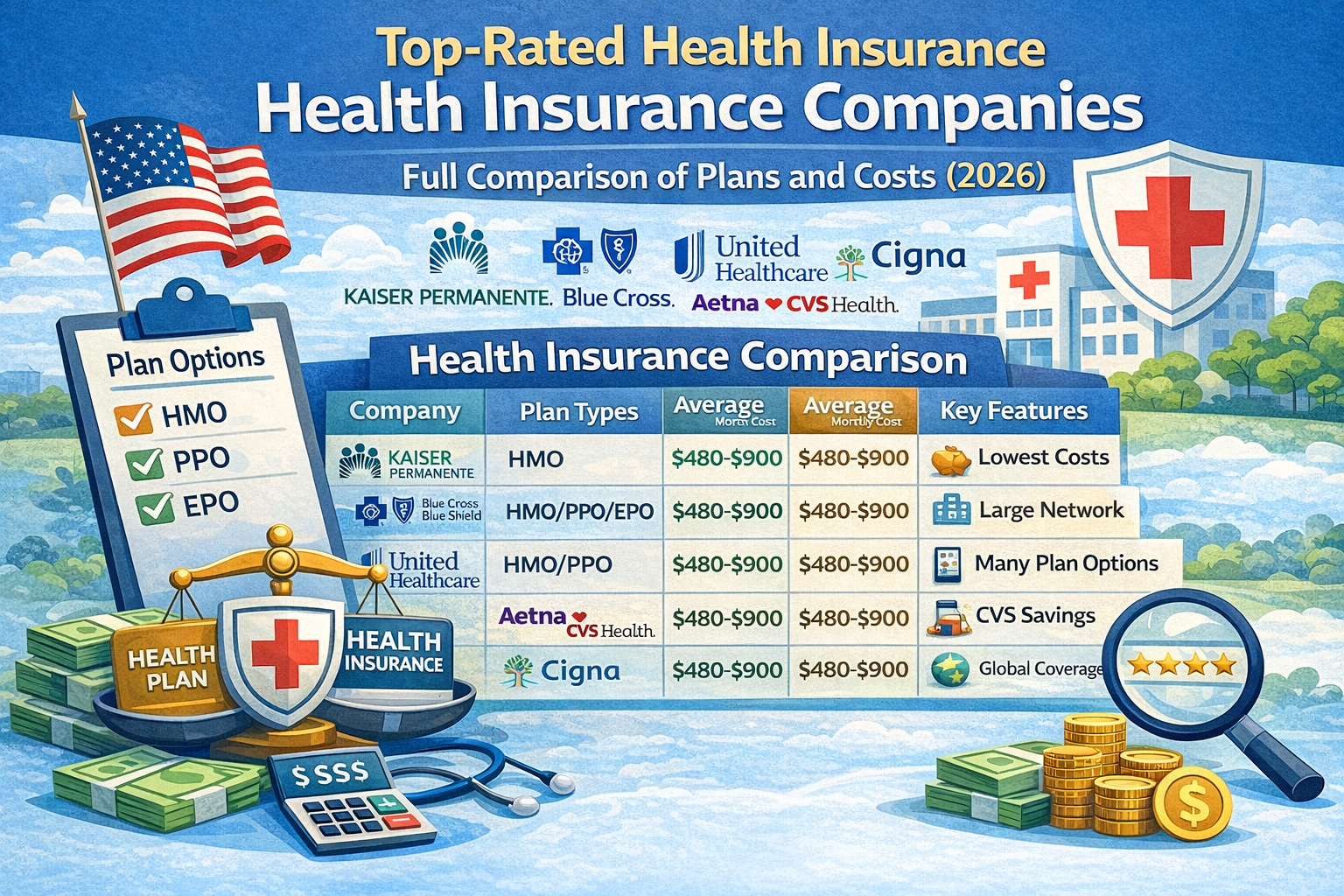
The ranking of top-rated health insurance companies in the United States is determined through a combination of measurable variables including customer satisfaction, financial stability, claims processing efficiency, provider network size, cost structure, and the breadth of benefits offered across plan tiers, and within this framework, a consistent group of insurers—Kaiser Permanente, UnitedHealthcare, Blue Cross Blue … Read more
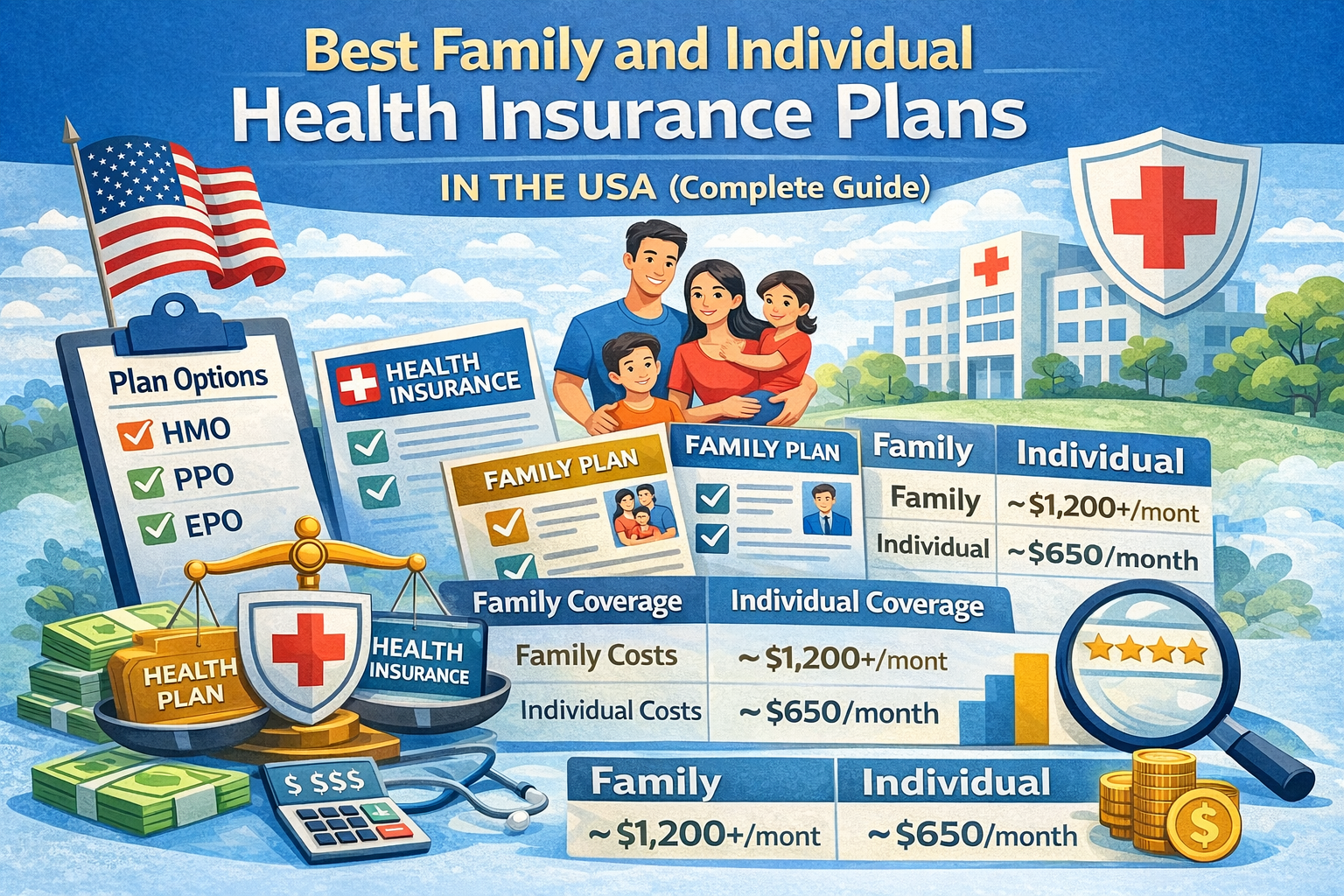
Best Family and Individual Health Insurance Plans in the USA (Complete Guide)

Health insurance selection in the United States diverges significantly between individual and family needs due to differences in healthcare utilization patterns, financial exposure, and risk distribution, making plan structure, cost layering, and provider network design critical variables in determining optimal coverage; the leading insurers shaping this landscape—Kaiser Permanente, Blue Cross Blue Shield, UnitedHealthcare, Aetna, and … Read more

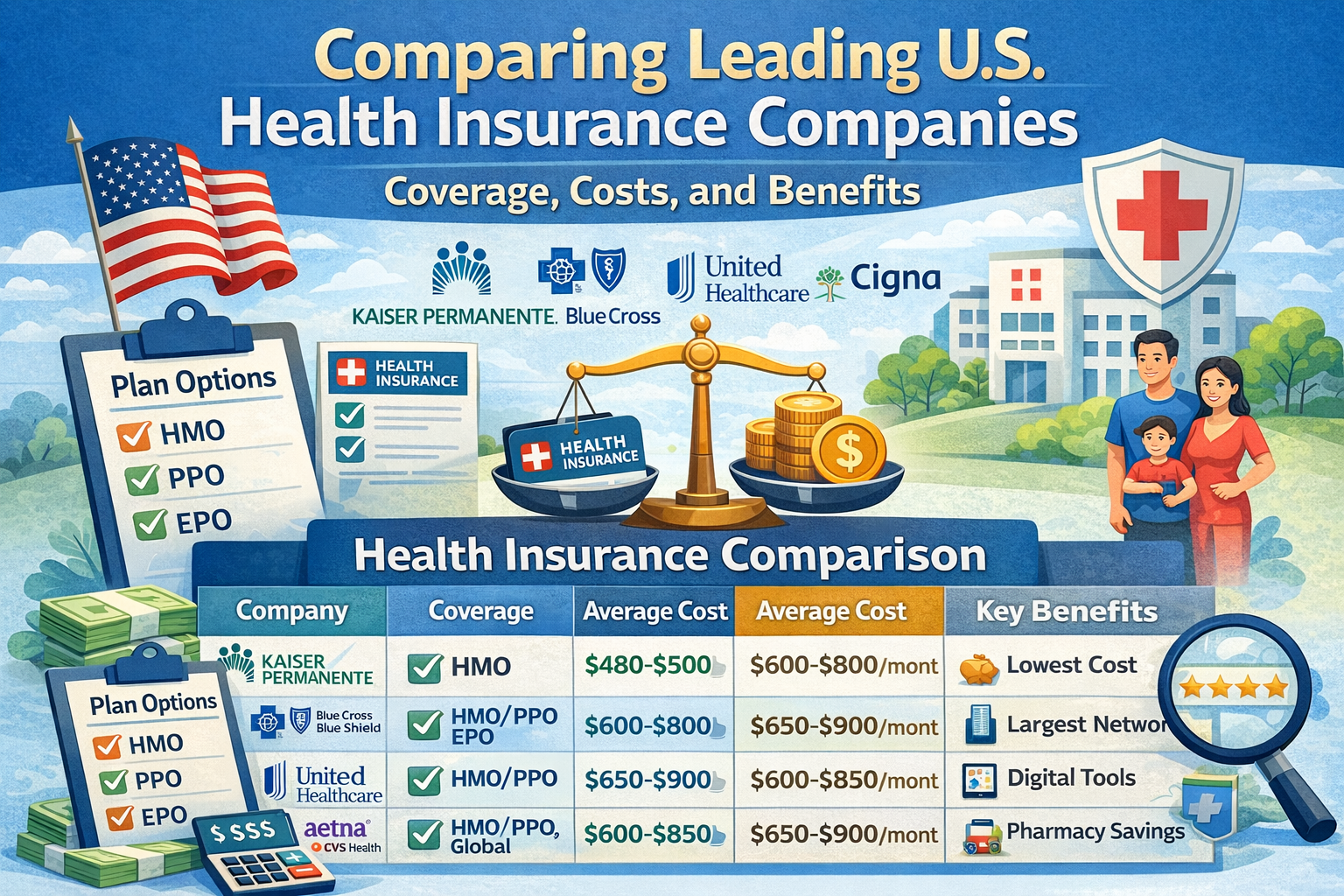
Comparing Leading U.S. Health Insurance Companies: Coverage, Costs, and Benefits

Comparing Leading U.S. Health Insurance Companies: Coverage, Costs, and Benefits

The structure of the United States health insurance market is defined by a small group of dominant insurers that operate at national or regional scale while offering diversified plan structures. The most influential companies—UnitedHealthcare, Blue Cross Blue Shield, Kaiser Permanente, Aetna, and Cigna—compete across three primary dimensions: coverage scope, cost structure, and value-added benefits. Their … Read more

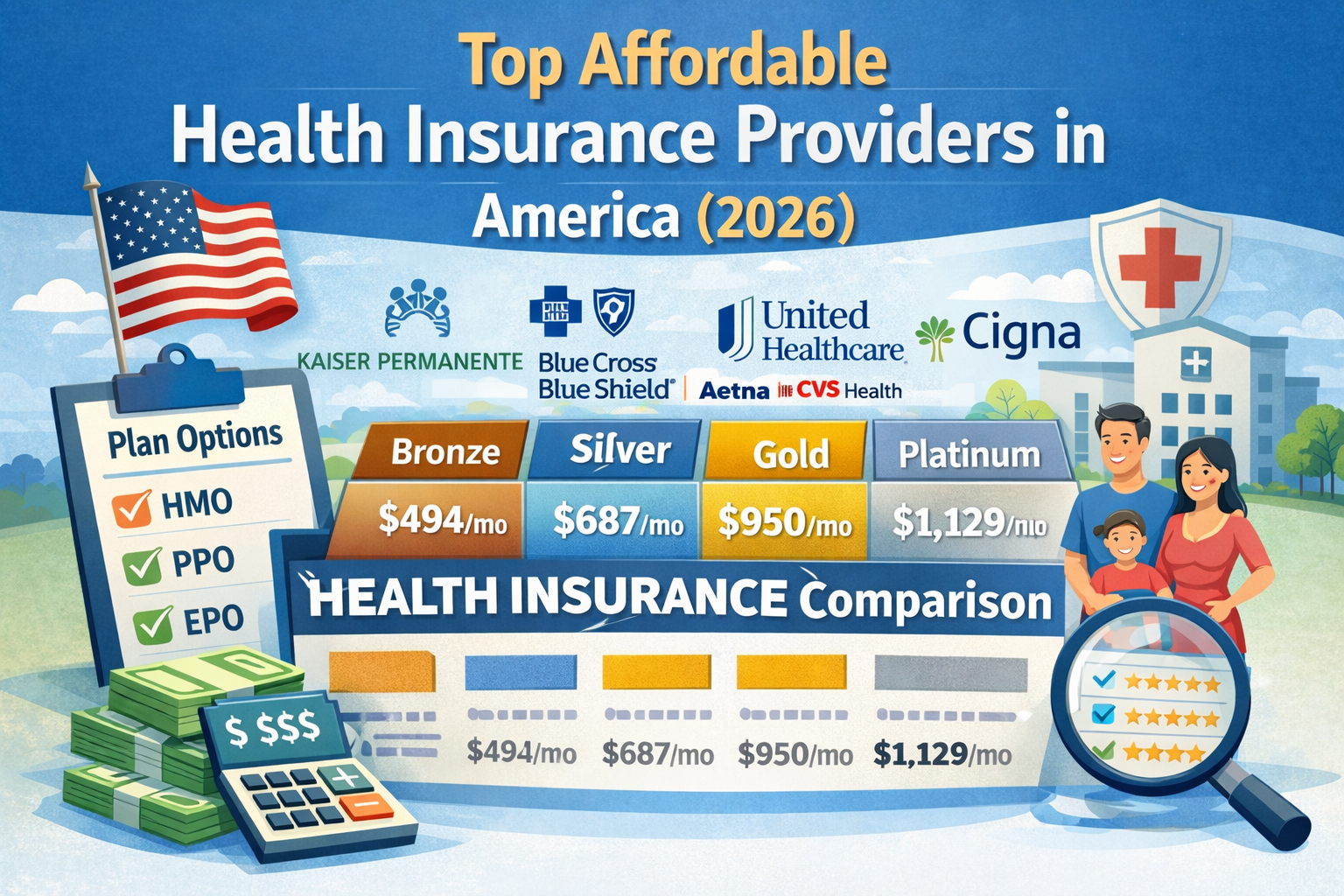
Top Affordable Health Insurance Providers in America: Detailed Plans and Pricing

Comparing Leading U.S. Health Insurance Companies: Coverage, Costs, and Benefits The structure of the United States health insurance market is defined by a small group of dominant insurers that operate at national or regional scale while offering diversified plan structures. The most influential companies—UnitedHealthcare, Blue Cross Blue Shield, Kaiser Permanente, Aetna, and Cigna—compete across three primary dimensions: coverage scope, cost structure, and value-added benefits. Their differences are not superficial; they are rooted in how each company structures provider networks, negotiates pricing, and integrates healthcare delivery systems. Coverage is the foundational variable in any insurance comparison. UnitedHealthcare maintains the largest provider network in the United States, giving policyholders access to a vast range of hospitals, specialists, and healthcare facilities. This scale reduces friction in accessing care and increases flexibility, particularly for individuals who travel frequently or require specialized treatment. In contrast, Blue Cross Blue Shield operates as a decentralized federation of regional insurers, meaning coverage strength depends heavily on geographic location. However, its BlueCard program allows members to receive care across state lines, preserving national usability while maintaining strong local networks. Kaiser Permanente adopts a fundamentally different model by integrating insurance, hospitals, and physicians into a single system. This eliminates fragmentation in care delivery and allows tighter control over costs and treatment pathways. The trade-off is reduced flexibility, as members must remain within Kaiser’s network. Aetna and Cigna occupy hybrid positions, offering large networks with varying degrees of integration. Aetna benefits from its connection to CVS Health, embedding pharmacy and retail clinic access into its ecosystem, while Cigna extends coverage internationally, making it structurally distinct among U.S. insurers. Plan structures directly influence how coverage is accessed. HMO plans require strict network adherence and referrals but maintain the lowest costs. PPO plans provide maximum autonomy, allowing direct access to specialists and out-of-network providers at higher premiums. EPO plans remove out-of-network benefits but retain moderate pricing, while POS plans blend referral requirements with partial flexibility. All major insurers offer these structures, but their execution differs. UnitedHealthcare and Blue Cross Blue Shield emphasize PPO availability, reinforcing flexibility. Kaiser Permanente focuses almost exclusively on HMO-style integrated plans, optimizing efficiency over choice. Cost comparison reveals systemic escalation across all providers, driven by rising healthcare service prices, administrative overhead, and increased demand for care. Monthly premiums for individual plans typically fall between $400 and $800 depending on plan tier, age, and region. Bronze plans sit at the lower end of this range but expose policyholders to deductibles exceeding $6,000. Silver plans balance premium and cost-sharing, while Gold and Platinum plans significantly reduce out-of-pocket exposure in exchange for higher monthly payments. Deductibles and out-of-pocket maximums are critical in comparing real financial impact. Kaiser Permanente often offers lower deductibles relative to premium cost due to its controlled care model. UnitedHealthcare and Blue Cross Blue Shield present wider variability, reflecting their broader plan diversity. Aetna positions itself in the mid-range, while Cigna tends toward slightly higher premiums offset by enhanced service features. Out-of-pocket maximums generally approach the regulatory ceiling, often exceeding $9,000 annually for individual plans, making cost predictability a central concern. Benefits have become a major differentiator as insurers attempt to move beyond basic coverage. UnitedHealthcare integrates advanced digital tools, including telehealth platforms, AI-driven care recommendations, and wellness tracking systems. Blue Cross Blue Shield focuses on stability and provider access, often emphasizing preventive services and chronic care management at the regional level. Kaiser Permanente leads in preventive care efficiency, using its closed system to streamline screenings, routine checkups, and early intervention strategies. Aetna leverages its integration with CVS pharmacies to provide convenient medication access, walk-in clinics, and coordinated care programs. Cigna differentiates itself through wellness programs, mental health services, and international coverage options, making it structurally advantageous for globally mobile individuals. These benefit layers increasingly influence decision-making, as they affect not only cost but also healthcare outcomes and user experience. Comparison across these insurers demonstrates that no single provider dominates across all variables. UnitedHealthcare leads in scale and flexibility but may carry higher complexity and cost variability. Blue Cross Blue Shield offers balanced performance with strong regional reliability. Kaiser Permanente provides superior cost control and care coordination at the expense of network freedom. Aetna integrates healthcare services with retail and pharmacy access, while Cigna extends beyond domestic coverage into global health management. The comparative outcome is determined by structural alignment between user needs and insurer design. High flexibility demands favor PPO-heavy providers like UnitedHealthcare and Blue Cross Blue Shield. Cost predictability and streamlined care favor Kaiser Permanente. Integrated service access favors Aetna, while international mobility aligns with Cigna. The evaluation framework is not hierarchical but conditional, dependent on how each insurer’s operational model intersects with individual healthcare requirements and financial constraints.

Affordability in the United States health insurance market is not defined by low premiums alone but by the total cost structure across an entire year, including deductibles, co-payments, co-insurance, and out-of-pocket maximums. In 2026, rising healthcare inflation, increased utilization of medical services, and expanding provider costs have made affordability a complex calculation rather than a … Read more

Best Health Insurance Companies in the USA (2026): Plans, Costs, and Comparison

Best Health Insurance Companies in the USA (2026): Plans, Costs, and Comparison

The U.S. health insurance system in 2026 is dominated by a concentrated group of large insurers that control the majority of the market and shape how healthcare is accessed, priced, and delivered. Companies such as UnitedHealthcare, Blue Cross Blue Shield, Kaiser Permanente, Aetna, and Cigna are considered top-tier providers because of their financial strength, nationwide … Read more